
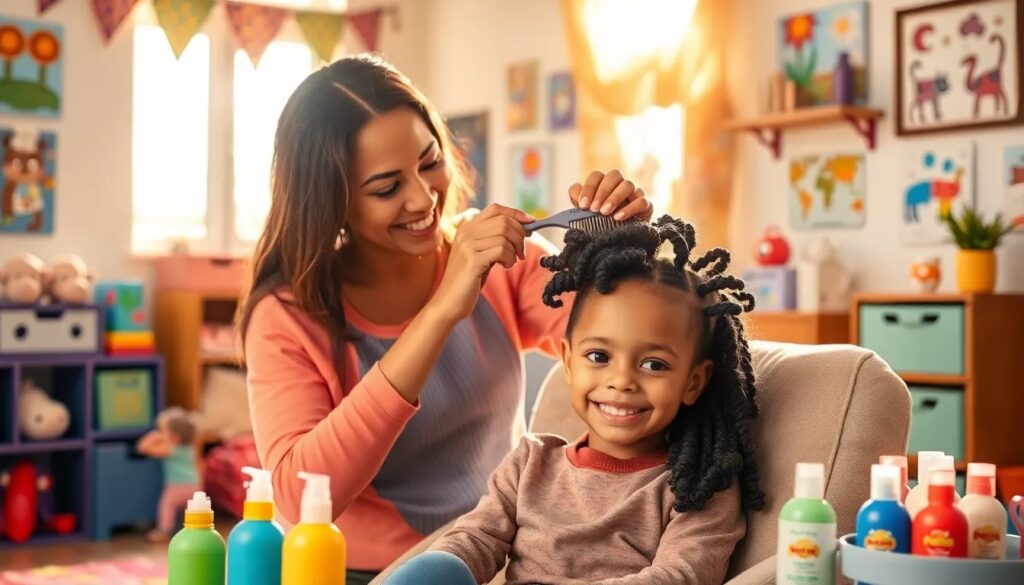
Traction alopecia is a form of hair loss that can significantly impact individuals, especially children. This condition occurs due to the repeated pulling on hair follicles, often from tight hairstyles. If you’re concerned about how to prevent traction alopecia in kids, it’s essential to understand its causes and effective prevention methods.
In this article, we will explore the various aspects of traction alopecia, including its symptoms, causes, treatment options, and crucial prevention strategies specifically for children.
What is traction alopecia?
Traction alopecia is a type of hair loss that results from prolonged tension on the hair shafts. This can occur from hairstyles that pull the hair tightly, such as braids, ponytails, or buns. It often leads to noticeable thinning or patches of hair loss, particularly around the hairline.
Understanding the definition of traction alopecia is the first step in addressing it effectively. It's important to note that, while it can affect anyone, it is particularly prevalent among children who may not be aware of the damage caused by their hairstyles.
Identifying early signs of traction alopecia is essential. Parents should be vigilant for symptoms such as bumps around the hairline or broken strands, which signal that the hair is under undue stress.
What causes traction alopecia?
Several factors contribute to the development of traction alopecia. The primary cause is the use of tight hairstyles that consistently pull on the hair. This condition can be exacerbated by the frequent use of hair extensions or weaves that add extra tension.
Some common causes include:

 Are hot-oil treatments harmful?
- Braids or cornrows that are too tight
- Excessive use of heat styling tools
- Chemical treatments that weaken hair
Understanding these causes can empower parents to make better choices regarding their children’s hairstyles. By opting for looser styles, you can significantly reduce the risk of traction alopecia.
How do I know if I am at risk for traction alopecia?
Risk factors for traction alopecia include a history of tight hairstyles, frequent use of hair products, and certain cultural practices regarding hair grooming. Children involved in sports or activities that necessitate tight hairstyles may also be at a higher risk.
To determine if your child is at risk, consider the following:
- Does your child wear tight hairstyles regularly?
- Have you noticed signs of thinning hair or scalp irritation?
- Is your child using hair products that may weaken their hair?
A proactive approach can help identify children at risk early on, allowing for timely intervention and prevention measures.
What are the symptoms of traction alopecia?
Recognizing the symptoms of traction alopecia is vital for early intervention. Common symptoms include:
- Redness or tenderness in the scalp
- Bumps or sores along the hairline
- Visible thinning or patches of hair loss
These symptoms can indicate that the hair is under stress. Early detection is crucial, as untreated traction alopecia can lead to permanent hair loss.
How is traction alopecia diagnosed?
Diagnosis typically involves a physical examination by a dermatologist. They will assess the pattern of hair loss and inquire about the child's hairstyle habits.
 Are wigs a safe alternative to treatment?
In some cases, additional tests such as a scalp biopsy may be necessary to rule out other forms of hair loss. Understanding the diagnosis can guide treatment options effectively.
How can traction alopecia be treated?
The first step in treating traction alopecia is to stop the use of tight hairstyles. Transitioning to looser styles can significantly alleviate tension on the hair follicles.
Other effective treatments include:
- Topical medications, such as minoxidil, which can promote hair regrowth
- Use of steroids to reduce inflammation in the scalp
- Hair restoration techniques in severe cases
Consulting with a healthcare professional can provide tailored treatment plans based on individual needs.
How to prevent traction alopecia in kids?
Preventing traction alopecia in kids is essential for maintaining healthy hair growth. Here are some effective methods to minimize traction alopecia in children:
- Opt for loose hairstyles, such as ponytails or braids that allow for movement.
- Rotate hairstyles regularly to prevent constant tension on the same hair follicles.
- Limit the use of tight accessories like rubber bands or clips that can stress the hair.
- Encourage frequent breaks from hairstyling by keeping hair down whenever possible.
Parents should also educate their children about the signs of early traction alopecia, such as scalp tenderness or hair breakage. Intervention at an early stage can prevent further damage and promote recovery.
Best hairstyles to avoid traction alopecia in kids
Choosing the right hairstyles is key to preventing traction alopecia. Some hairstyles to consider include:
 Can men lose hair due to shampoo chemicals?
- Loose pigtails or buns
- Natural curls worn down
- Twists that are not tightly secured
- Rope braids that are less strenuous on the scalp
These styles can help maintain a child’s hair health while still allowing for creativity and fun.
Natural remedies for traction alopecia in children
In addition to medical treatments, several natural remedies may help promote hair health:
- Regular scalp massages to stimulate blood flow
- Use of essential oils like rosemary or peppermint diluted in carrier oils
- Maintaining a nutritious diet rich in vitamins and minerals
Incorporating these remedies can support hair growth and overall scalp health.
Tips for parents to manage traction alopecia in children
As a parent, managing traction alopecia involves being proactive and supportive. Here are some tips:
- Encourage open conversations about hair care and styling.
- Help your child select appropriate hairstyles that are both stylish and safe.
- Monitor their hair and scalp regularly for any signs of damage.
By fostering a positive environment around hair care, you can help your child maintain healthy hair without the risks associated with traction alopecia.
In summary, understanding how to prevent traction alopecia in kids is crucial for any parent. Taking preventative measures, recognizing symptoms early, and choosing the right treatments can make a significant difference in maintaining your child's hair health. I invite you to explore all the available options for hair loss treatments near you.
You may be interested in reading: How does sleep affect hair loss?
Leave a Reply