

Herbal remedies have gained popularity in recent years as natural alternatives for various health and beauty concerns, including hair care. Many individuals turn to herbs in hopes of promoting hair growth and preventing hair loss. However, as the use of these remedies rises, the question arises: are herbal hair remedies risky? Understanding the benefits and potential risks associated with herbal treatments can help you make informed decisions for your hair health.
Hair loss affects millions of people worldwide and can be attributed to a variety of factors. While some may seek professional treatments, others prefer to explore natural options. In this article, we will delve into the effectiveness of herbal remedies, potential risks, and how to safely incorporate them into your hair care routine.
Can herbs help with hair growth?
Herbs have long been used in traditional medicine for their perceived health benefits, including stimulating hair growth. Some of the most popular herbs include horsetail, red clover, and stinging nettle. These herbs are believed to strengthen hair follicles and improve scalp health, potentially leading to increased hair growth.
Research suggests that certain herbs contain essential nutrients that can aid hair growth. For instance, horsetail is rich in silica, which strengthens hair and promotes elasticity. Similarly, stinging nettle may provide crucial vitamins and minerals that support overall hair health.
However, while herbs can be beneficial, their effectiveness may vary from person to person. Some individuals may experience noticeable improvements, while others may see minimal results.
Safety and risks: comparing home remedies and professional hair treatments
When considering the safety of herbal remedies, it's essential to compare them with professional treatments. While professional options may involve chemicals or invasive procedures, herbal remedies often appear safer at first glance. However, are herbal hair remedies risky?

One significant concern is the potential for herbal remedies to interact with medications. For instance, stinging nettle can affect blood sugar levels and may not be suitable for individuals on diabetes medication. It's vital to consult a healthcare professional before starting any herbal treatment, especially if you're pregnant or have underlying health conditions.
You may be interested in reading: Can minoxidil foam outperform the liquid?
Moreover, not all herbal products are created equal. Some may contain additives or contaminants that could pose health risks. Always source herbs from reputable suppliers and check for quality certifications.
Natural alternatives from your garden for hair care: revisiting the benefits of tropical herbs
Many people may not realize that their gardens could be a treasure trove of hair care remedies. Tropical herbs like Acacia concinna and Azadirachta indica have been used for centuries in various cultures for their beneficial properties.
- Acacia concinna: Often used as a natural shampoo, it has cleansing properties and can help maintain scalp health.
- Azadirachta indica (neem): Known for its antimicrobial properties, neem can help combat scalp infections and promote healthier hair.
- Garcinia mangostana: This fruit contains antioxidants that can protect hair from damage and promote overall health.
Utilizing these herbs as part of your hair care routine can provide numerous benefits. They can enhance the appearance of hair and promote a healthy scalp environment.
Is herbal hair coloring safe?
For those looking to change their hair color naturally, herbal hair dyes are an attractive option. However, the question of safety arises: are herbal hair remedies risky for hair coloring?
Herbal dyes often contain natural ingredients, which can be gentler on the hair compared to chemical dyes. However, they may not provide the same level of intensity or longevity. It's essential to conduct a patch test before applying these products to avoid allergic reactions.

Moreover, individuals with specific allergies or sensitivities should be cautious. Some herbs used in coloring can cause irritation or an adverse reaction. Always research the ingredients and consult with a professional if you have concerns.
5 natural home remedies for thinning hair & hair loss
There are several natural remedies that may help combat thinning hair and hair loss. Here are five effective options:
You may be interested in reading: What are risks of oral finasteride?
- Massage with essential oils: Massaging the scalp with essential oils like rosemary or lavender can stimulate blood flow and promote hair growth.
- Herbal rinses: Rinsing hair with herbal infusions like chamomile or hibiscus can strengthen hair and improve shine.
- Aloe vera: Applying aloe vera gel can help soothe the scalp and reduce dandruff, promoting healthier hair.
- Onion juice: Though it may be pungent, applying onion juice to the scalp can stimulate follicle activity due to its sulfur content.
- Green tea: Rich in antioxidants, green tea can be consumed or applied topically to enhance hair health.
Incorporating these remedies into your routine can provide a holistic approach to managing hair loss and enhancing overall hair health.
Assessment of nutraceutical potential of herbs for promoting hair growth: formulation considerations of herbal hair oil
Herbal hair oils are becoming increasingly popular for promoting hair growth. These oils often contain a blend of various herbs known for their beneficial properties. However, understanding the formulation is crucial.
When selecting an herbal hair oil, consider the inclusion of potent herbs like horsetail, which can provide silica, or stinging nettle, known for its nutrient density. A well-formulated hair oil can enhance the absorption of these beneficial compounds.
Moreover, it's important to choose carrier oils that promote healthy hair. Oils like coconut or jojoba not only nourish the hair but also help to deliver the nutrients from the herbs effectively.

What causes damage to your hair?
Understanding what causes damage to your hair is key to preventing hair loss. Common culprits include:
- Heat styling: Frequent use of heat tools can lead to dryness and breakage.
- Chemical treatments: Hair dyes and relaxers can weaken the hair structure.
- Poor nutrition: A lack of essential nutrients can contribute to hair thinning and loss.
- Environmental factors: Pollution and UV exposure can damage hair over time.
- Stress: High-stress levels can trigger hair loss.
Identifying these factors in your life can help you implement effective strategies to protect your hair.
Tips to prevent hair loss and promote hair health naturally
To effectively manage hair loss and promote hair health, consider these practical tips:
You may be interested in reading: Can biotin supplements help hair growth?
First, maintain a balanced diet rich in vitamins and minerals essential for hair growth. Foods high in protein, iron, and omega-3 fatty acids can significantly impact your hair health.
Additionally, incorporate regular scalp massages into your routine; this can enhance blood circulation and promote hair growth. You may also want to avoid tight hairstyles that can cause traction alopecia.
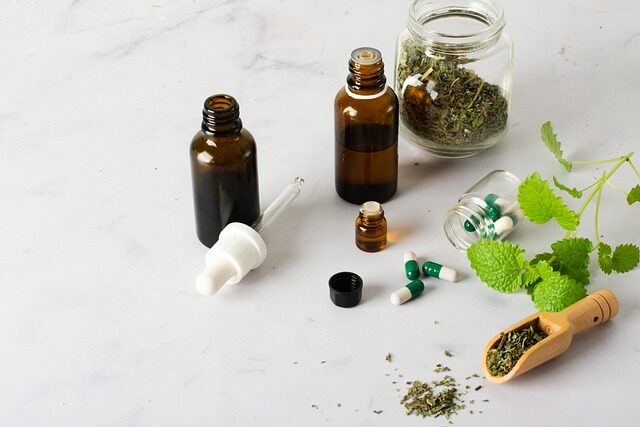
Moreover, using herbal treatments can be gentle on your hair while providing nourishment. Are herbal hair remedies risky? They can be safe when used thoughtfully and in combination with healthy practices.
Finally, don't hesitate to consult a professional if you notice significant hair loss or if you have concerns about your hair health. A specialist can provide tailored solutions and advanced treatments to help you achieve your hair goals.
I invite you to explore all the available options for hair loss treatments near you.
You may be interested in reading: How to treat fungal scalp infections?
Leave a Reply