
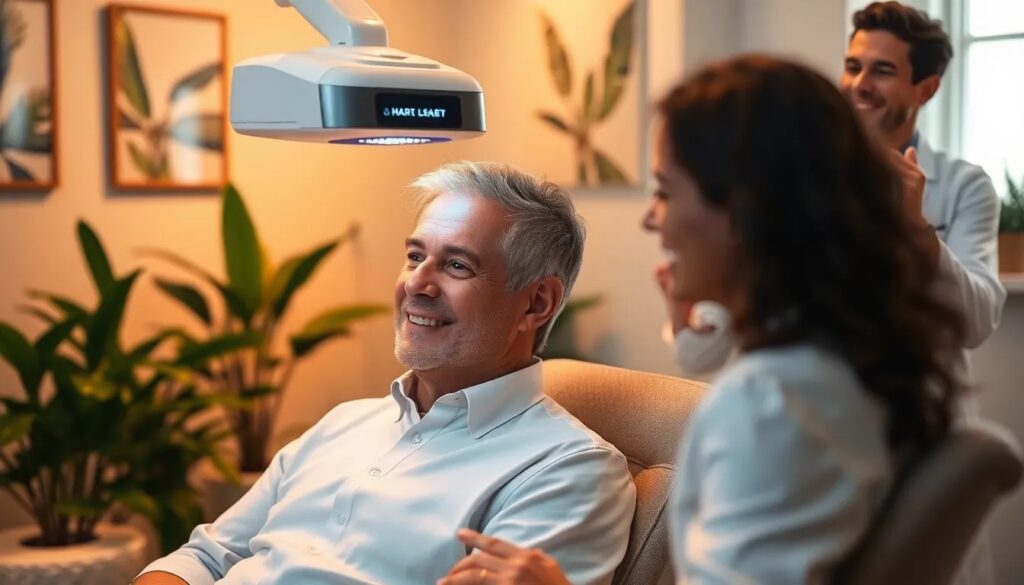
Low-level laser therapy (LLLT) has emerged as a promising option for those experiencing hair loss. With its non-invasive nature and FDA approval, many are curious about its effectiveness. This article delves into whether are low-level laser therapies effective for hair growth? and explores the various facets of this treatment.
Role of low-level light therapy (LLLT) in hair growth
Low-level light therapy (LLLT) uses specific wavelengths of light to stimulate cellular activity in hair follicles. This stimulation can enhance blood flow and encourage hair regrowth. As a result, individuals suffering from conditions like androgenetic alopecia often find LLLT to be a viable solution.
Studies have shown that LLLT can increase the number of active hair follicles, helping individuals achieve thicker, fuller hair. Furthermore, this therapy is not only for men; it is also effective for women experiencing hair thinning. The versatility of LLLT makes it a popular choice in various hair loss treatments.
Additionally, low-level laser therapy can be used in conjunction with other treatments, enhancing overall effectiveness. By combining approaches, patients may experience a more comprehensive solution to their hair loss concerns.
What is low-level laser therapy (LLLT)?
Low-level laser therapy is a non-invasive treatment that utilizes low-intensity lasers or light-emitting diodes (LEDs). These devices emit light that penetrates the scalp, promoting hair follicle stimulation. This therapy is often referred to as red light therapy due to the color of the light used.
Initially developed for pain management, LLLT has found a significant role in treating hair loss due to its ability to enhance cellular metabolism. By promoting oxygenation and energy production in cells, LLLT fosters a healthier environment for hair growth.
For those curious about FDA approved low-level laser therapy hair loss, it's important to note that several devices have met the rigorous standards set by the FDA, ensuring their safety and effectiveness.
 Is hair regrowth common after alopecia areata?
How does low-level laser therapy work for hair loss?
The mechanism behind LLLT involves the absorption of light by mitochondrial chromophores in cells, which stimulates ATP (adenosine triphosphate) production. This process promotes cell proliferation and increases the size of hair follicles. As a result, hair can re-enter the growth phase more effectively.
Furthermore, LLLT can help improve blood circulation in the scalp, providing essential nutrients and oxygen to hair follicles. This dual action of stimulating cellular activity and enhancing blood flow contributes significantly to hair regrowth.
It's worth noting that the effectiveness of LLLT varies among individuals. Some may see quicker results, while others may need more time to notice changes. Consistent treatment is key, as intermittent use may not yield optimal results.
What are the benefits of using LLLT for hair growth?
- Non-invasive and painless: Unlike surgical options, LLLT does not require any incisions or recovery time.
- FDA approved: Many LLLT devices have received FDA approval, ensuring their safety and effectiveness in treating hair loss.
- Suitable for both men and women: LLLT can effectively address hair loss in both genders, making it a versatile treatment option.
- Minimal side effects: Most users experience few, if any, adverse effects, making it a safe choice.
- Can be used at home: Many devices designed for at-home use allow for convenience and continued treatment without frequent clinic visits.
These benefits make LLLT an attractive option for those seeking alternatives to more invasive treatments. It empowers users to take control of their hair restoration journey.
How effective are low-level laser therapies for hair growth?
The efficacy of LLLT in promoting hair growth is supported by numerous clinical studies. Research indicates that LLLT can significantly increase hair density and thickness in both men and women suffering from androgenetic alopecia.
In particular, a systematic review of clinical trials highlighted that LLLT could improve terminal hair counts and enhance overall hair quality. Patients typically see noticeable results within three to six months of consistent treatment.
However, it’s essential to understand that results can vary. Factors such as individual hair loss patterns and adherence to treatment protocols can influence outcomes. For the best results, consider combining LLLT with other hair restoration methods.

 Will hair regrow after stopping medications that cause loss?
What are the side effects of low-level laser therapy?
Overall, LLLT is regarded as a safe treatment option with minimal side effects. Some users may experience mild scalp irritation or a transient increase in hair shedding as new hairs push through. These reactions are typically temporary and resolve quickly.
It's crucial to consult a healthcare professional before starting treatment, especially if you are on medication or have existing health conditions. They can provide tailored advice to ensure LLLT is appropriate for your situation.
While serious side effects are rare, being aware of any changes in your scalp or hair during treatment is important. Monitoring your progress can help you achieve the best results.
How long does it take to see results from LLLT?
Most users begin to notice results after approximately three to six months of consistent use. The timeline can vary based on factors like the severity of hair loss and the frequency of treatment.
For optimal results, it is generally recommended to use LLLT devices several times a week. Patients should remain patient and committed to the treatment regimen, as hair growth can be a gradual process.
Regular follow-ups with a healthcare provider can help track progress and make necessary adjustments to the treatment plan. Remember, consistency is key to achieving the desired results!
Who are the best candidates for low-level laser therapy?
LLLT is suitable for individuals experiencing various forms of hair loss, particularly those with androgenetic alopecia. Both men and women can benefit from this treatment, making it a versatile option.

 How do you treat ringworm‑related hair loss?
Ideal candidates for LLLT are those seeking a non-invasive, low-risk solution to their hair loss concerns. Additionally, individuals who have tried other methods without success may find LLLT to be a refreshing alternative.
However, it is essential for potential users to consult with a healthcare provider to evaluate their specific circumstances and determine if LLLT is the right choice for them.
In summary, are low-level laser therapies effective for hair growth? The evidence suggests they can be, particularly when used consistently and in conjunction with other treatments. Each person's journey is unique, so don’t hesitate to explore various options!
I invite you to explore all the available options for hair loss treatments near you.
Leave a Reply