

Rosemary Oil vs Minoxidil: Which is the Best Solution for Hair Loss?
In recent years, the effectiveness of essential oils, particularly rosemary oil, has gained attention as a potential alternative to traditional treatments for hair loss, such as minoxidil. Many people are curious about how essential oils like rosemary compare to minoxidil in promoting hair growth and combating androgenetic alopecia. This article explores the benefits and drawbacks of both treatments, helping you make an informed decision.
Understanding the strengths of both rosemary oil and minoxidil can provide insight into the best approach for your hair restoration journey. Let's delve deeper into each option.
What Is Rosemary Oil and Its Benefits for Hair Growth?
Rosemary oil is derived from the aromatic herb, Rosmarinus officinalis, known for its rich antioxidant and anti-inflammatory properties. These qualities make it beneficial for scalp health and hair growth.
One of the primary benefits of rosemary oil is its ability to improve circulation in the scalp, which can stimulate hair follicles. This enhanced blood flow is crucial for providing essential nutrients to hair strands.
Additionally, rosemary oil has been shown to reduce levels of DHT (dihydrotestosterone), a hormone linked to hair loss in individuals with androgenetic alopecia. By inhibiting DHT, rosemary oil may help in slowing down hair thinning.
- Rich in antioxidants and anti-inflammatory properties.
- Improves scalp circulation.
- May inhibit DHT levels.
- Promotes overall scalp health.
These benefits position rosemary oil as a promising option for those looking for natural remedies for hair growth.

How Does Minoxidil Work for Hair Regrowth?
Minoxidil is a topical treatment that has been widely used since its approval in 1988. It works as a vasodilator, meaning it helps to widen blood vessels, thereby increasing blood flow to the hair follicles.
You may be interested in reading: Is finasteride effective for regrowing hair?
This increase in circulation can lead to improved hair regrowth by supplying more oxygen and nutrients to the hair roots. Minoxidil has been clinically proven to stimulate hair growth, particularly in cases of androgenetic alopecia.
However, minoxidil does come with some side effects, which are essential to consider when deciding on a treatment. Common side effects include:
- Scalp irritation.
- Unwanted facial hair growth.
- Dizziness or lightheadedness.
- Rapid heart rate.
Despite its effectiveness, many users seek alternatives due to these potential side effects.
Rosemary Oil vs Minoxidil: Which Is Better for Treating Androgenetic Alopecia?
The comparison between rosemary oil and minoxidil has sparked considerable interest. A study conducted in 2015 highlighted that both treatments were effective in increasing hair count over six months.
How effective is rosemary oil compared to minoxidil? The results showed comparable efficacy between rosemary oil and 2% minoxidil, suggesting that rosemary oil could be a viable alternative for those who prefer natural remedies.
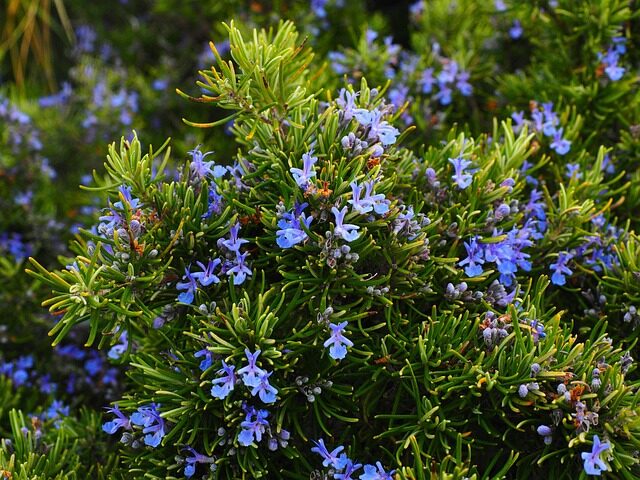
While minoxidil has a longer history as a mainstream treatment, rosemary oil is gaining traction due to its natural origins and fewer reported side effects.
Can You Safely Combine Rosemary Oil and Minoxidil?
Combining treatments can often enhance effectiveness, but it's crucial to approach this with caution. Using rosemary oil and minoxidil together may potentially yield better results for hair growth.
You may be interested in reading: Does finasteride take months to work?
However, before starting any combination therapy, it is essential to consult with a healthcare professional. They can provide personalized guidance based on your hair loss condition and overall health.
When considering a combination, keep in mind:
- Monitor for any adverse reactions.
- Start with a patch test for rosemary oil.
- Gradually introduce one treatment at a time.
This approach can help you gauge how your scalp reacts to each treatment, ensuring a safer experience.
What Do Studies Say About Rosemary Oil vs Minoxidil?
Several clinical studies have been conducted to understand the effectiveness of rosemary oil compared to minoxidil. The aforementioned 2015 study is one of the most notable, highlighting similar results in hair count increase between the two.

Additionally, research supports that rosemary oil's antioxidant properties contribute to its effectiveness in promoting hair growth. However, more robust studies are needed to confirm these findings over a longer period.
It's essential to rely on clinical and anecdotal evidence when considering these treatments. Here are a few key takeaways from the studies:
- Both treatments promote hair growth.
- Rosemary oil has fewer side effects.
- Long-term studies are required to establish safety and efficacy.
How to Use Rosemary Oil for Hair Growth Effectively?
Using rosemary oil effectively can maximize its benefits for hair growth. Here are some best practices to consider:
You may be interested in reading: Can minoxidil cause facial hair growth?
- Dilute the oil: Always dilute rosemary oil with a carrier oil, such as coconut or jojoba oil, before applying it to the scalp.
- Regular application: Consistency is key. Apply rosemary oil at least 2-3 times a week for optimal results.
- Massage the scalp: Gently massage the oil into your scalp to enhance blood circulation and absorption.
- Leave it on: Allow the oil to sit for at least 30 minutes before washing your hair.
By following these guidelines, you can effectively incorporate rosemary oil into your hair care routine.
In summary, both rosemary oil and minoxidil present viable options for addressing hair loss. Ultimately, the choice between them will depend on individual preferences, tolerability, and desired outcomes. I invite you to explore all the available options for hair loss treatments near you.
Leave a Reply