

Adequate sleep is crucial for maintaining overall health, and it plays an especially important role in hair health. A lack of sleep can lead to various health issues, including hair loss. In this article, we'll explore the connection between sleep and hair loss, examining how sleep deprivation can impact hair follicles and the overall hair growth cycle.
Sleep deprivation and hair loss: understanding the connection
Sleep deprivation can significantly affect your body's functions, including the health of your hair. When you don’t get enough rest, your body’s ability to repair and regenerate hair follicles is compromised. This can lead to conditions such as alopecia areata, a form of hair loss that results in patchy baldness.
Research has indicated that poor sleep quality may lead to increased levels of cortisol, the stress hormone. Elevated cortisol can disrupt the hair growth cycle, causing hair to enter the shedding phase prematurely. If you are wondering how does sleep affect hair loss, the answer lies in the body’s hormonal responses to sleep deprivation.
In essence, the connection between hair loss and sleep is multifaceted. While sleep helps the body restore and regenerate, a lack of it can lead to stress-related hair loss and hinder the overall health of your hair. This connection highlights the importance of prioritizing sleep for maintaining healthy hair.
How does sleep affect hair loss?
Sleep is essential for various bodily functions, including hair growth. During sleep, the body goes through several stages of restoration and repair. These processes are critical for promoting healthy hair follicles. Studies show that adequate sleep can enhance blood circulation to the scalp, allowing for better nutrient delivery to hair follicles.

Not getting enough sleep can lead to hormonal imbalances that affect hair growth. For instance, a decrease in melatonin, a hormone produced during sleep, can negatively affect the hair growth cycle. Melatonin not only regulates sleep but also plays a role in the regeneration of hair follicles.
Moreover, chronic sleep deprivation can exacerbate hair loss conditions. It can weaken the immune function, making the body more susceptible to inflammatory conditions that can result in hair loss. Thus, ensuring a good night's sleep is vital for maintaining hair health.
You may be interested in reading: Can sunburn damage scalp and cause hair loss?
Is hair loss from lack of sleep reversible?
The good news is that, in many cases, hair loss caused by sleep deprivation can be reversed. Once sleep patterns are improved, many individuals notice a significant improvement in hair health. However, the extent of reversibility may vary depending on the individual and the duration of sleep deprivation.
When people improve their sleep habits, they often report noticeable changes in hair thickness and overall health. This is largely due to restored blood circulation and nutrient delivery to the hair follicles. If you’re asking yourself, can improving sleep quality reverse hair loss?, the answer is yes, especially if the hair loss is directly related to sleep issues.
To maximize the chances of regrowth, it is also essential to complement improved sleep with a balanced diet and proper hair care practices. Combining these elements can significantly enhance the effectiveness of your efforts to restore hair health.
Best time to sleep for hair growth
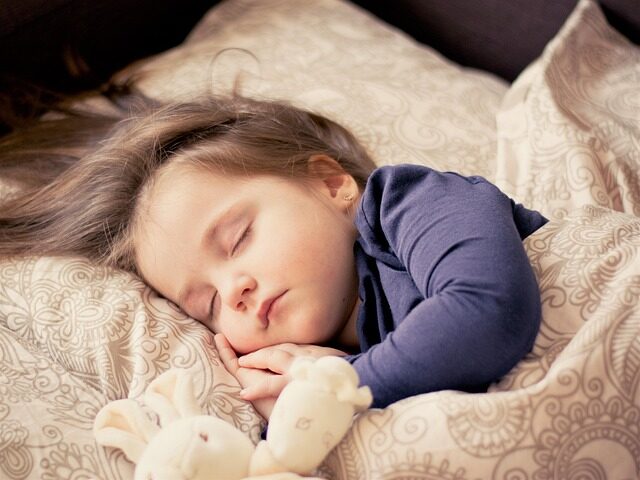
Timing can significantly influence the quality of sleep and, consequently, the health of your hair. The best time to sleep for optimal hair growth is ideally between 10 PM and 6 AM. During these hours, the body naturally produces melatonin, which is essential for hair follicle regeneration.
Going to bed at a consistent time can help regulate your body’s internal clock, leading to better sleep quality. A regular sleep schedule can significantly enhance the restorative processes that occur during sleep.
Furthermore, creating a relaxing bedtime routine can help improve sleep quality. Activities such as reading, meditating, or taking a warm bath can signal to your body that it is time to wind down, ensuring you get the best sleep possible for hair health.
Does lack of sleep cause hair thinning?
A lack of sleep can undoubtedly contribute to hair thinning. When the body is deprived of sleep, it produces higher levels of cortisol, which can disrupt the hair growth cycle and result in increased hair shedding.
You may be interested in reading: Do multivitamins help increase hair density?
This shedding can manifest as noticeable thinning over time. Additionally, poor sleep affects the body’s ability to absorb essential nutrients, which are crucial for maintaining healthy hair. Without these nutrients, hair follicles can weaken, leading to hair thinning.

Moreover, the stress associated with sleep deprivation can lead to conditions such as telogen effluvium, where hair follicles enter a prolonged resting phase, resulting in hair loss. Therefore, ensuring adequate sleep is vital for preventing hair thinning.
How many hours of sleep for hair growth?
The ideal amount of sleep for promoting hair growth varies by individual, but most adults require between 7 to 9 hours of quality sleep each night. This amount of sleep allows the body to undergo essential restorative processes that are vital for hair health.
During sleep, the body works to repair damaged cells, including those in the scalp and hair follicles. Insufficient sleep can hinder these processes, impeding hair growth and maintenance.
To optimize your sleep for hair growth, consider maintaining a consistent sleep schedule, creating a calming bedtime routine, and ensuring that your sleep environment is comfortable and conducive to rest.
Top 10 causes of hair loss
- Genetic factors (hereditary hair loss)
- Hormonal imbalances (including thyroid issues)
- Stress and anxiety
- Poor nutrition and vitamin deficiencies
- Medical conditions (like alopecia areata)
- Medications and treatments (such as chemotherapy)
- Excessive hair styling and treatments
- Scalp infections
- Sleep deprivation
- Environmental factors (pollution, UV exposure)
Among these causes, sleep deprivation is often overlooked but can have significant effects on hair health. Identifying the root cause of hair loss is essential for effective treatment.

 How many hairs is normal to lose daily?
How to prevent hair loss from lack of sleep?
Preventing hair loss due to sleep deprivation involves several strategies that can enhance both sleep quality and hair health. Here are some practical tips:
- Establish a consistent sleep schedule by going to bed and waking up at the same time each day.
- Create a relaxing bedtime routine to wind down before sleep.
- Limit screen time before bed, as blue light can interfere with melatonin production.
- Maintain a comfortable sleep environment, ensuring your bedroom is cool, dark, and quiet.
- Consider incorporating relaxation techniques such as meditation or deep breathing exercises to manage stress.
By implementing these strategies, you can improve your sleep quality and potentially mitigate hair loss linked to sleep deprivation. Remember, the goal is not just to sleep more but to sleep better.
I invite you to explore all the available options for hair loss treatments near you.
Leave a Reply